April 2, 2026
|
5 min read


Updated: January 6, 2026



Blazingly fast way to build, track and deploy your models!
In the traditional software era, we secured the network. We built firewalls, VPNs, and DMZs to keep bad actors out. In the SaaS era, we secured the application. We used SSO and SAML to ensure only the right people logged in. Now, in the Agentic Era, we face a terrifying new reality: we must secure the intent.
As we move from "Chatbots" (which just talk) to "Agents" (which execute code, query databases, and call APIs), the security paradigm has shifted. An autonomous agent doesn't just read data; it can modify state. It can merge pull requests, issue refunds, or drop database tables.
If you are a CIO or CISO staring at a roadmap filled with "Autonomous Agents" for 2026, you are likely losing sleep over one specific nightmare: The "Superuser" Trap.
Here is how the TrueFoundry MCP Gateway transforms the wild west of agentic tool use into a Zero Trust architecture.
The path of least resistance for developers building agents is to hardcode a single, high-privileged API key (a Service Account) into the agent's environment variables.
We call this the "Superuser" Trap.
In this model, the agent effectively runs as "Root." This is a violation of the Principle of Least Privilege.
The TrueFoundry MCP Gateway kills the Superuser Trap by enforcing User-Level Identity.
We decouple the Agent from the Permission. When a human user (let's call her Alice) asks an agent to perform a task, the Gateway intercepts the tool call. It does not use a shared service key. Instead, it injects Alice's specific OAuth token into the request.
If Alice doesn't have permission to delete the repo, neither does the agent.
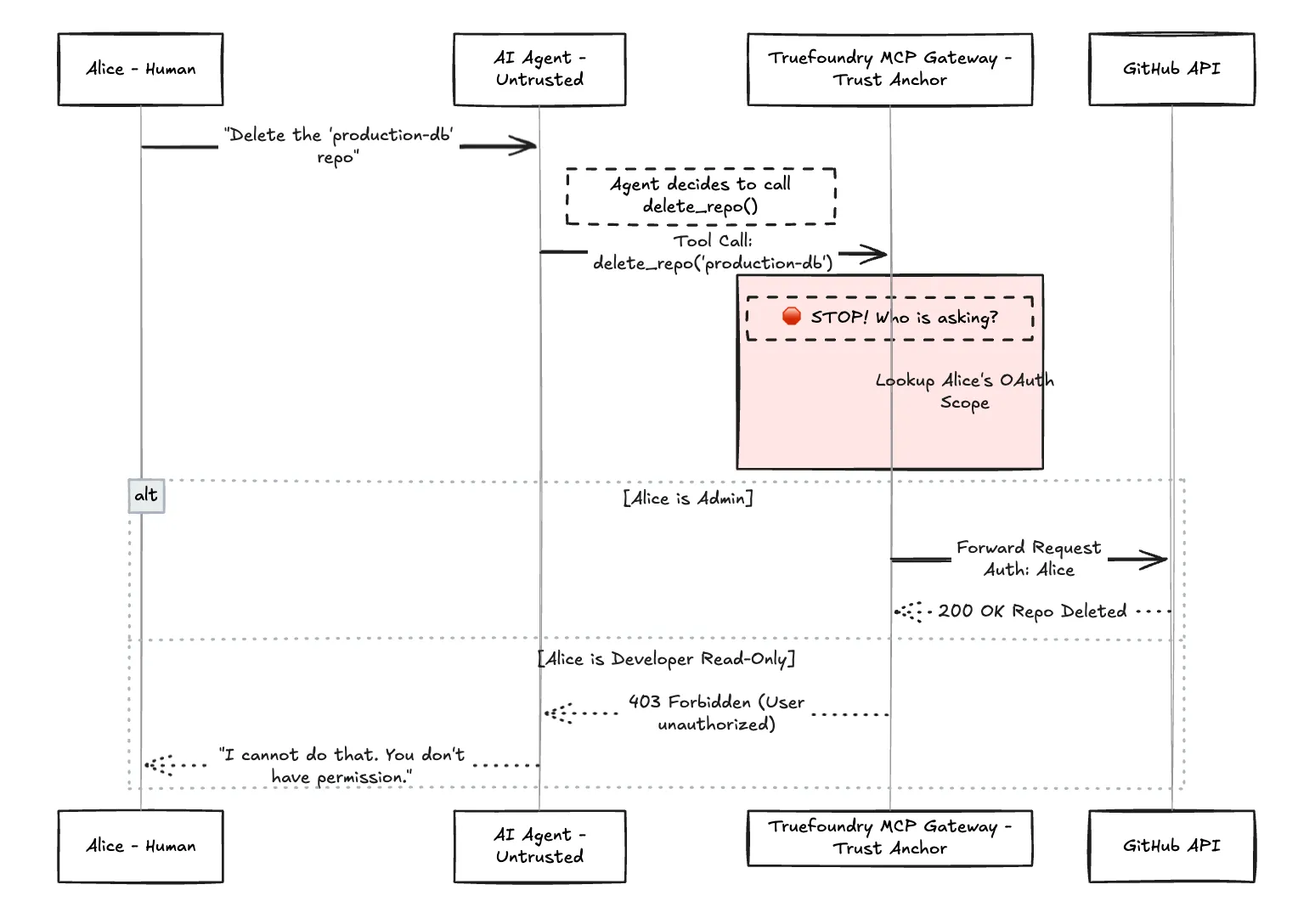
Fig 1: illustration of the identity injection and the application
In a typical enterprise, you might have 50 different agents (HR Bot, Coding Assistant, Sales Helper) needing access to 50 different internal tools.
Without a centralized gateway, developers create N × M direct connections. Each connection is a potential leak. API keys are scattered across .env files on laptops, Replit instances, and random cloud containers. This is Shadow AI at its worst.
TrueFoundry creates a "DMZ for Tools" using Virtual MCP Servers.
Instead of giving an agent direct access to the "Salesforce API," you create a Virtual Server that exposes only the specific tools that agent needs.
Even if the Sales Bot is compromised, it literally cannot call export_all_data because that tool does not exist in its universe.
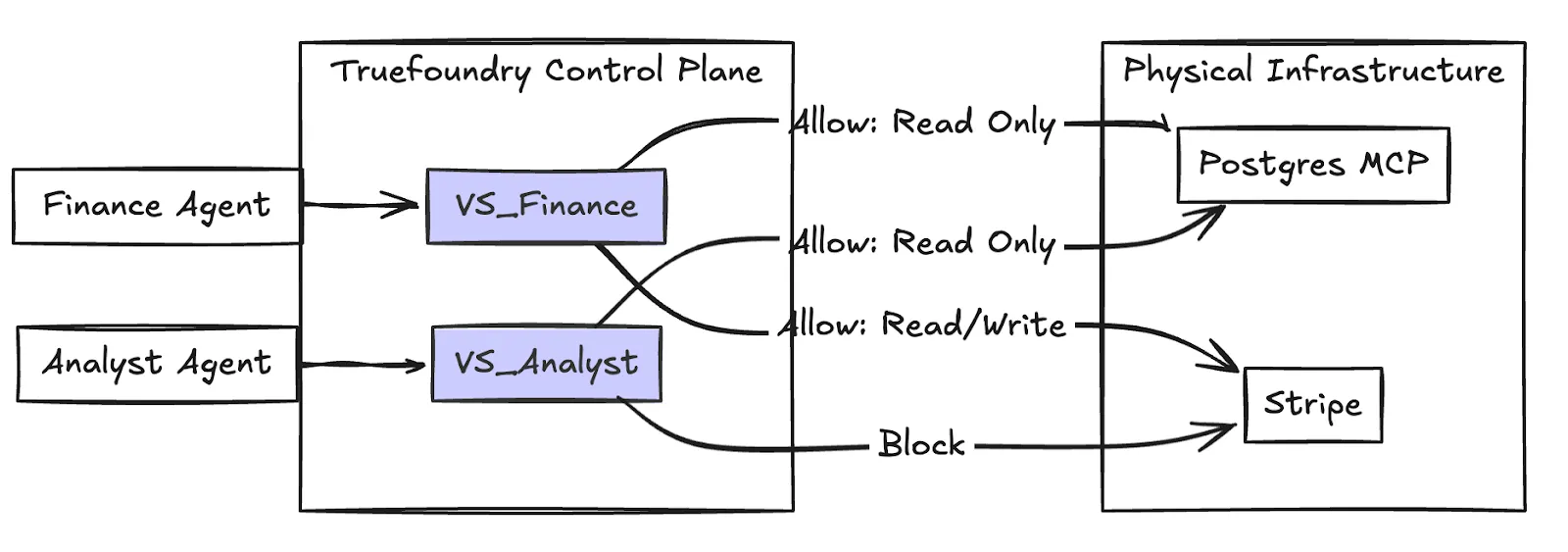
Fig 2: An example of ACL for different agents
When an autonomous agent runs for hours (like AWS Kiro or Devin), how do you know what it did? Did it query the salaries table? Did it try to email a competitor?
In a direct-connection model, these logs are scattered or non-existent. You have no forensic trail.
Because every tool call passes through the TrueFoundry Gateway, we provide a centralized, immutable Audit Log.
We record:
This allows your SOC team to answer the question: "What did the AI access on Tuesday at 4:00 PM?" in seconds, not days.
Your agents might be hosted in the cloud (e.g., using OpenAI's models), but your most sensitive data—your PII, your IP, your financial records—lives On-Premise or in a private VPC.
Opening a firewall port to allow a cloud agent to talk to your internal SQL database is a non-starter for compliance.
TrueFoundry allows you to deploy the MCP Gateway Plane inside your private environment (VPC/On-Prem).
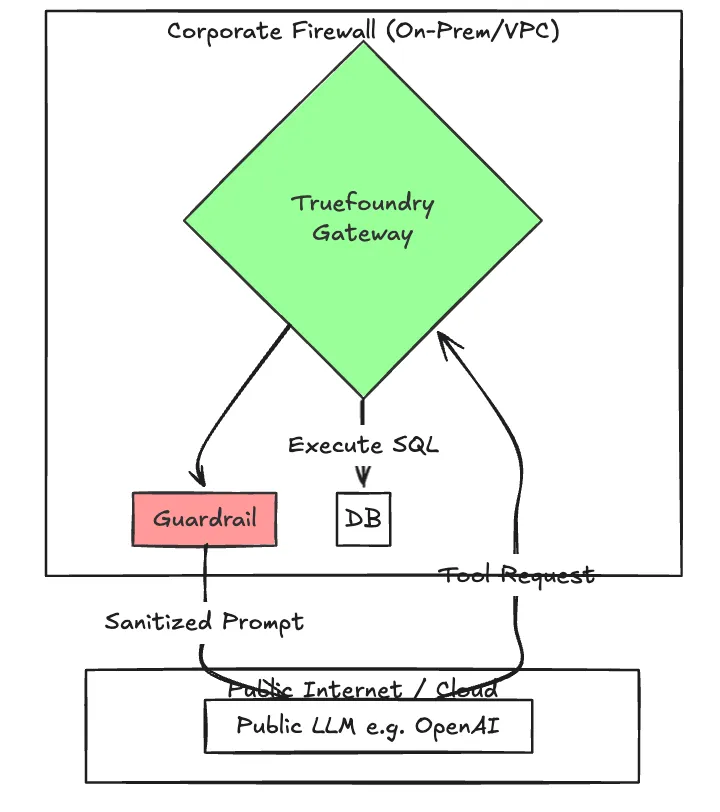
Fig 3: An On-prem flow Illustration
You might hear about SSE (Server-Sent Events) as the default for MCP. For a hobbyist, SSE is fine. For a CISO, SSE is a headache.
SSE connections are long-lived and stateful. Security appliances (WAFs, Firewalls) hate long-lived idle connections. They often sever them, leading to "zombie agents" that think they are connected but aren't.
TrueFoundry standardizes on Streamable HTTP. This is a stateless, robust protocol that:
If you are greenlighting an Agentic AI initiative, ask your team these three questions:
If the answer to any of these is "No," you are building technical debt that will become a security incident.
TrueFoundry provides the "Yes."
TrueFoundry AI Gateway delivers ~3–4 ms latency, handles 350+ RPS on 1 vCPU, scales horizontally with ease, and is production-ready, while LiteLLM suffers from high latency, struggles beyond moderate RPS, lacks built-in scaling, and is best for light or prototype workloads.



The latest news, articles, and resources sent to your inbox
© 2025 All rights reserved.


.webp)



.webp)
.webp)
.webp)
%20(1).webp)